Every list answers this with the same four names, and the reasons are always about leaves: rigid, thick, waxy. None of them is a number and none of them mentions the cold. So here is one spot instead, with both halves of a draught held at once: a north-facing sill, the plant against the glass, 18 °C, air moving strongly past it from a gap in the frame.

Worth a try
It can work here with a little care.
Just the right amount of light
A little cool, but workable
Humidity suits it
Airflow isn't quite ideal
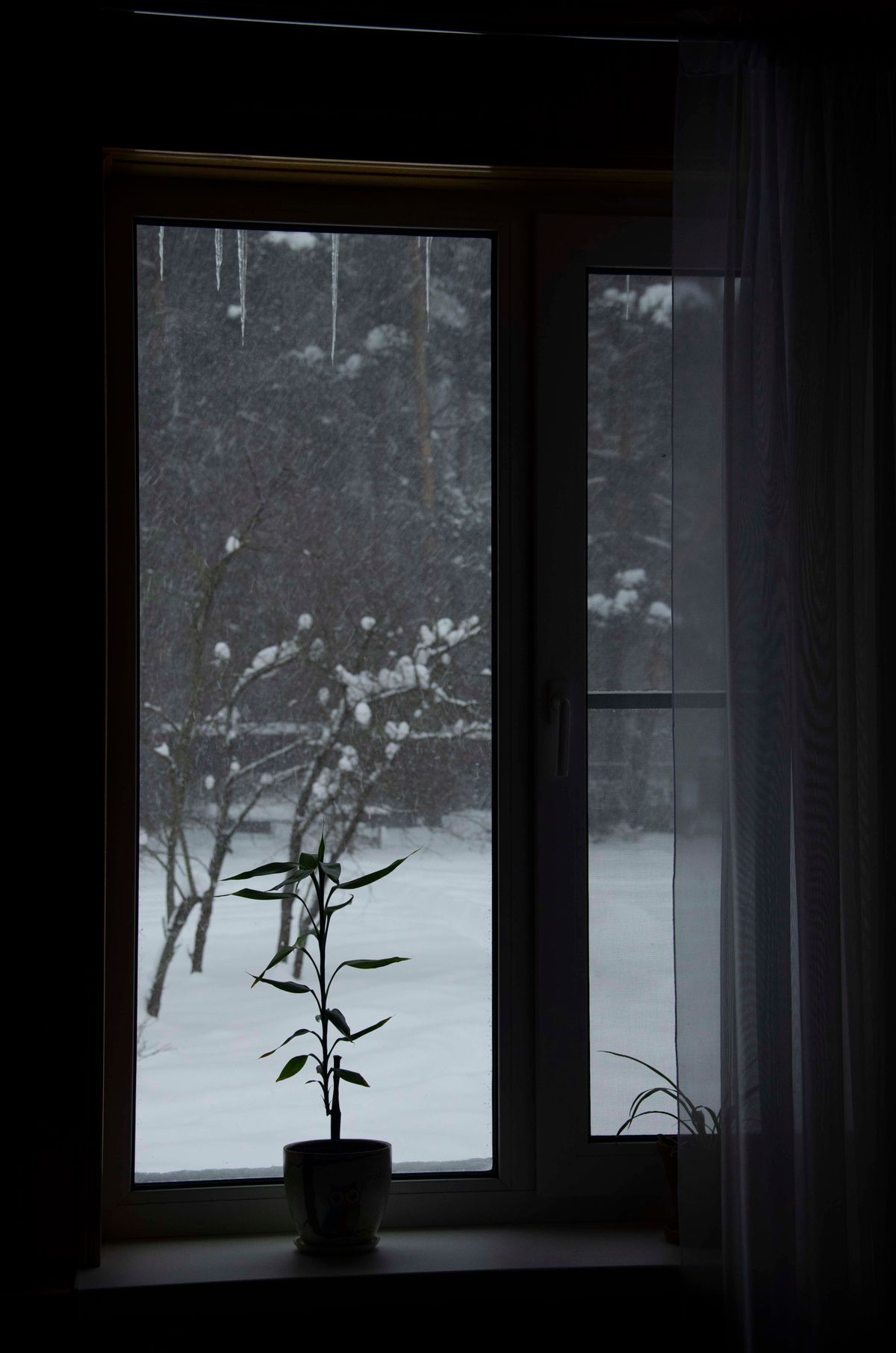
The draught separates none of them
Cast iron, snake plant, ZZ and jade return the same airflow phrase, word for word. All four prefer medium airflow, and a preference in the middle of the scale is never more than one step from any spot, however still or however breezy (why that middle is where most of our data sits is the air-circulation question):
Every row, one plant each (4)
| How the air moves there | Verdict |
|---|---|
| Still air | Worth a try, 65/100 |
| Light air | Great fit, 94/100 |
| Medium air | Great fit, 100/100 |
| Strong air | Great fit, 94/100 |
Only dead-still air costs it anything. The temperature column is where they stop agreeing: floors of 7 °C for the cast iron plant, 10 °C for the jade, 15 °C for this snake plant and 16 °C for the ZZ. Nine degrees, on a list whose whole subject is cold air, and the ZZ that gets praised for handling temperature swings has the highest floor of the four.
Above 16 °C the list has nothing to sort
Every one of them is inside its band at 16 °C and above, so a warm room with a draught in it is not a plant-selection problem at all. The warm end of this same column turns out to be even quieter. Below that line the ordering appears fast, and it appears out of the floors just listed: at 12 °C on the same sill, with the same moving air, the snake plant and the ZZ are already below their floors.
Those floors are ours. Below is what university extension services publish for the same plants, every figure copied as written. Two of them give the ZZ plant limits ten degrees apart.
| Plant | University extension service | What it publishes |
|---|---|---|
| Spider plant · hgic.clemson.edu | 50 to 55 °F at night | “Temperatures between 65 °F and 75°F during the day and 50 °F to 55 °F at night are ideal.” |
| Jade · hgic.clemson.edu | 50 to 55 °F at night | “Jade plants do best with daytime temperatures between 65 and 75 °F, and nighttime temperatures between 50 and 55 °F.” |
| Jade · hgic.clemson.edu | No number given | “During the winter months, protect plants from drafts and do not let their foliage touch windowpanes.” |
| Aloe vera · extension.unh.edu | 50 °F | “Aloe is sensitive to cold temperatures and shouldn’t be grown in a room that dips below 50°F.” |
| Aloe vera · extension.unh.edu | No number given | “Plants that are placed near drafty windows may show signs of stress in the form of discolored foliage or damaged leaf tips.” |
| ZZ plant · hgic.clemson.edu | 60 °F | “ZZ plants are sensitive to cold and should be kept above 60 °F.” |
| ZZ plant · ask.ifas.ufl.edu | 50 °F | “Active growth will be reduced and injury may occur below 50°F.” Ten degrees below what the factsheet above gives for the same plant. |
| Peace lily · hgic.clemson.edu | 60 °F | “Try to avoid temperatures below 60 °F as cold damage may occur.” |
| Snake plant · homegarden.cahnr.uconn.edu | Below 55 °F | “the house is heated to 55 degrees, which is above their lower temperature tolerance” |
Worth keeping the two bars apart, because they are easy to run together. Inside its band means the plant is not too cold, which is the bar this page is about. The top of the rating is a different and higher bar, and it goes at 19 °C, which is why a bedroom cooled for sleeping demotes plants that those floors would call perfectly safe.
One plant left, on the strength of a floor nine degrees below the ZZ’s: 7 °C against 16. Even that has an end that an unheated hallway can find. An unheated classroom over a long winter break finds that end too, and asking the same question across a whole school year splits the list differently again. An unheated basement is the same 12 °C question asked all winter instead of for a fortnight.
The light decides who is in
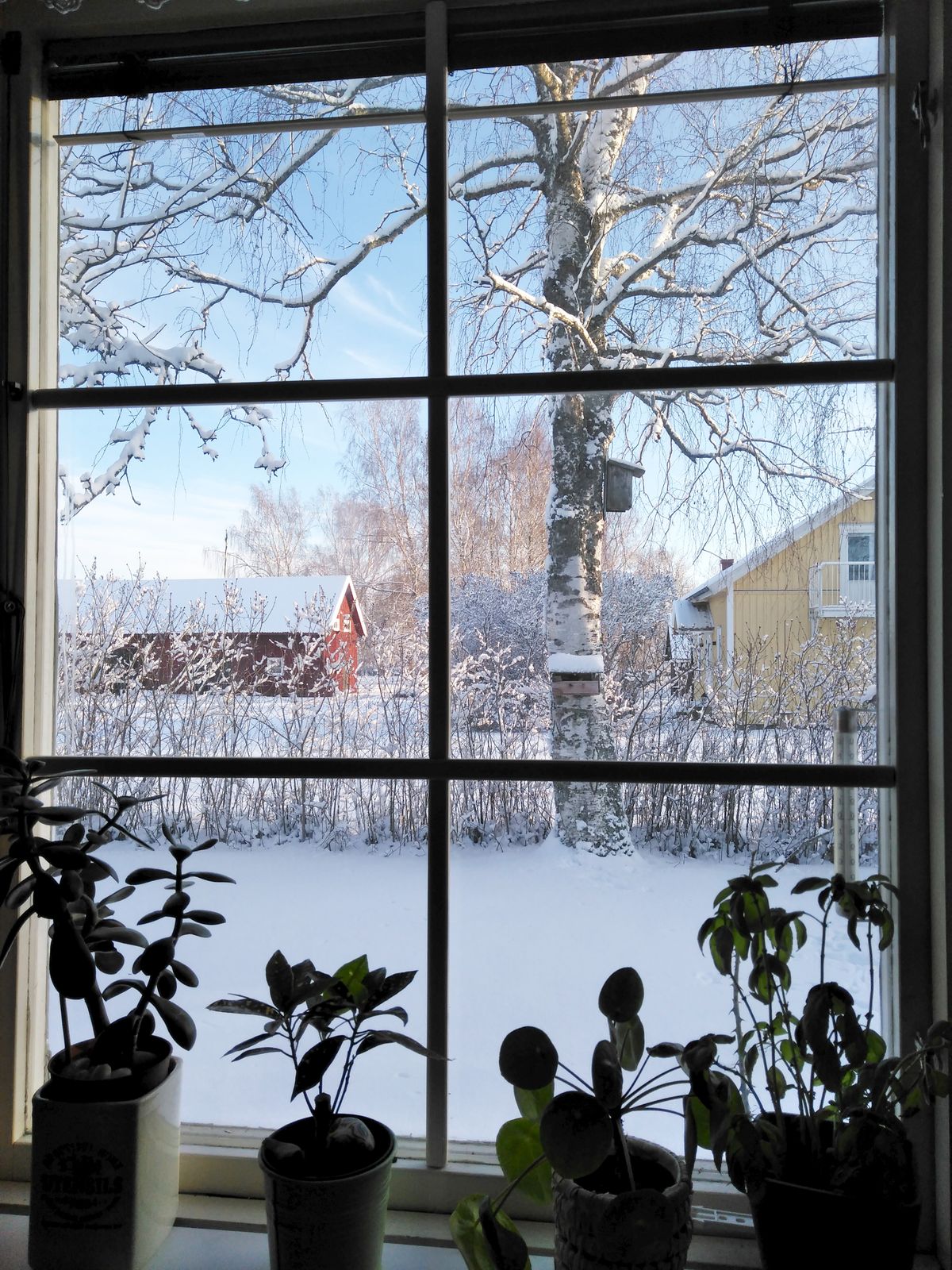
Everything so far holds one window fixed. Change it, keep the cold and the draught exactly as they were, and the order does not shift so much as invert. Here is the bright version of that spot. What the dim one did to the same seven plants is in the caption underneath it.
Every row, one plant each (7)
| On a cold, drafty south sill | What the light is doing | What the warmth is doing | Verdict |
|---|---|---|---|
| Cast iron plant | Too bright here | A little cool, but workable | Not the best fit right now, 37/100 |
| Ocean spider plant | A bit bright, but workable | A little cool, but workable | Worth a try, 60/100 |
| Aloe vera | A little dim, but workable | A little cool, but workable | Worth a try, 60/100 |
| Jade | A little dim, but workable | A little cool, but workable | Worth a try, 60/100 |
| Echeveria | A little dim, but workable | A little cool, but workable | Worth a try, 60/100 |
| ZZ plant | A bit bright, but workable | Too cold here | Not the best fit right now, 34/100 |
| Peace lily | Too bright here | Too cold here | Not the best fit right now, 16/100 |
The cast iron plant, the one with the lowest floor of the four names on the lists, is too bright at the south sill and not a fit there at all. Aloe, jade and echeveria do the reverse: too dim against the north glass at 3,640 lux, workable at the south one. Identical cold, identical air, opposite answers.
There is a reason, and it is the useful part. Cold tolerance in our care data mostly belongs to plants with outdoor ancestry, and those plants want a bright window. A drafty spot that is also dark has a genuinely small candidate list; a drafty spot with sun in it has a large one that no draft-tolerance article mentions, because those articles only consider plants sold as shade-tolerant. One row works at both: the spider plant is comfortable to 10 °C, does not mind moving air, and appears on no such list anywhere.
What the moving air does on its own
Hold a spot warm and change nothing but the air. We ran a peace lily, a metre back from a north window, at 21 °C, through still air and through strong air.
Still air costs it as much as strong air. This dimension is a target rather than a scale, and both sides of it are wrong, which is why a sealed alcove is a real problem for a plant that wants a gentle current. Nobody looks for it, because a still corner looks like the safest place in the room.
What to do with your own drafty spot
Answer the light question first, because it changes the answer more than the draught does. The free spot checker reads the light at one exact place in your browser in about ten seconds, with nothing to install.
- Dim and cold. The shortlist really is short. Cast iron plant first, spider plant as the more available second.
- Bright and cold. Stop reading draft lists. Aloe, jade, echeveria and most succulents are comfortable to around 10 °C and are happier there than any of the four usual names.
- Cold enough to raise an alert. A draught is a steady annoyance; a night at 10 °C is the point where the app starts flagging the forecast, and it suspends two other pieces of care while it runs.
- Above 16 °C. The draught is not your problem and nothing here is ruled out by it. Look at light and watering instead, which why plants die in winter covers.
The boundary: we estimate airflow rather than measure it, so treat that column as a bucket and not a reading. Light is the one we measure, by laying the phone down at the spot. Every score here is our engine run at the conditions printed in each table, and the floors come from our curated care data.
By GrowSpot · Published August 14, 2026 · Last updated August 30, 2026
