Classroom plant lists are remarkably consistent. Pothos, spider plant, ZZ, snake plant, peace lily, a cast iron plant if the writer is feeling thorough. The lists agree because during term a classroom is an easy room for a plant: a whole wall of glass, heating or cooling holding the air somewhere near 21 °C, and thirty people who notice a wilt.
Then the term ends. The building is locked, the thermostat is set back or switched off entirely, and the room sits at whatever the weather does to it for a week, two weeks, or the better part of three months. That is the part the lists don’t score — and it is where the plants on them actually die.

Not the best fit right now
The plant's fine, this spot just isn't a match.
Just the right amount of light
Too hot here
Humidity suits it
Airflow doesn't suit it
Temperature is a deal-breaker here. The other three cannot make up for it.
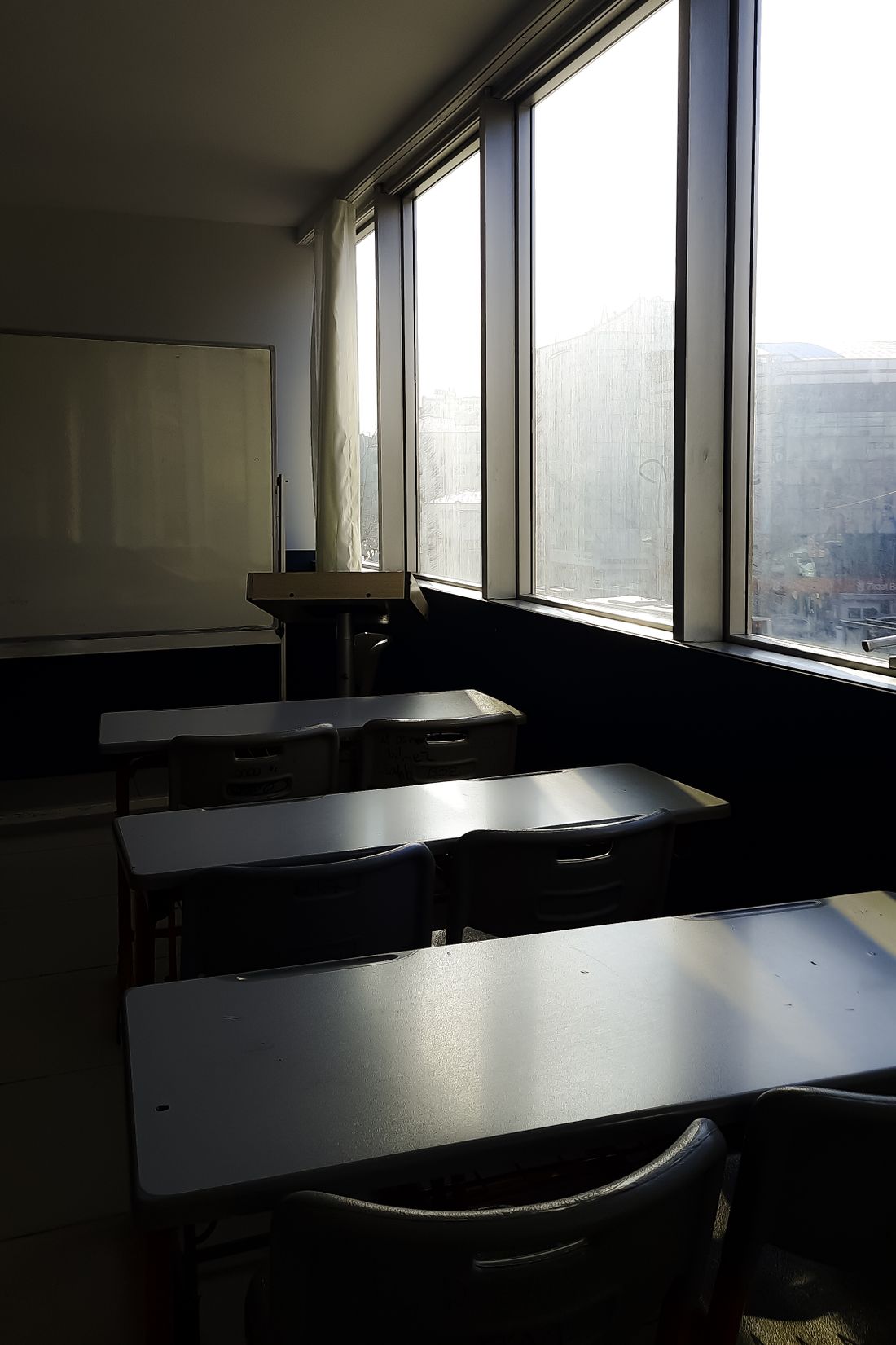
A classroom is three rooms in one year
- Term time. Conditioned air, blinds worked up and down all day, someone in the room every hour. Easy conditions, and the reason every list looks right.
- Weekends and short breaks. Two or three days of setback temperature. Survivable for almost anything, and worth mentioning only because it is the rehearsal for the next one.
- The long holidays. Six to ten weeks in summer, two over winter. No conditioning, no watering, and in many buildings no ventilation either. The room becomes whatever the outside is, plus a greenhouse effect from that same wall of glass.
Here is what that year looks like to one plant. Hold an east-facing sill at its best light and move nothing but the temperature of the room, and a spider plant — the single most recommended classroom plant there is — is a great fit at 21 and 24 °C, only worth a try at 12, 16 and 27, and not a fit at all at 8, 31 or 35.
That band is almost exactly the band a school keeps its rooms in while people are using them. Step outside it in either direction and the same plant on the same sill goes from a great fit to not a fit at all. Nothing about the light changed. Nothing about the plant changed. The room emptied.
This is the awkward thing about the sorting question for classrooms: it is a question about the building, not about the plant. Two schools with identical rooms, identical windows and identical budgets can need completely different plants, because one of them runs its plant through the summer and the other one doesn’t.
The two ends this page uses are not guesses about a shut building. They are close to what institutions publish as the temperatures a shut building is allowed to reach.
| Published by | What the building is set to | When |
|---|---|---|
| mc.edu | 55 °F | “The unoccupied temperature setting shall be 55°F (i.e. setback).” That is 12.8 °C. |
| mc.edu | 60 °F | “This may be adjusted to a 60°F setting during extreme weather.” |
| mc.edu | Cooling off entirely | “During unoccupied times, the air conditioning equipment shall be off.” |
| roanoke.edu | 85 °F | “Cooling Season Unoccupied Set Points: 85F”. That is 29.4 °C, and it is a ceiling rather than a reading. |
| roanoke.edu | 55 °F | “Heating Season Unoccupied Set Point: 55F”. |
| bf.unl.edu | 55 °F | “allow temperatures to drop back to 55°F during unoccupied periods.” |
| bf.unl.edu | 85 °F | “allow temperatures to rise to 85°F during unoccupied periods.” |
| hls.harvard.edu | 60 °F | “set room/area thermostats to 60°F” for the heating season in Pound Hall. |
| hls.harvard.edu | 80 °F | “set room/area thermostats to 80°F” for the cooling season in the same building. |
Term time hides the differences
Put the usual seven names on that sill during term and it is easy to see why the lists all agree: only the spider plant is a great fit, and the other six all land in worth-a-try territory, every one of them reading the same comfortable temperature. The counts are in the caption of the next table.
Nothing on the list is a mistake, and note what that does: the spread between those seven is not temperature at all — at 21 °C the room suits all seven — it is the humidity and airflow of an ordinary occupied classroom sitting closer to what some of these plants prefer than others. If your only evidence is the school year, the honest conclusion is that the choice barely matters.
That conclusion survives right up until the last Friday in June.
The holidays are where they split
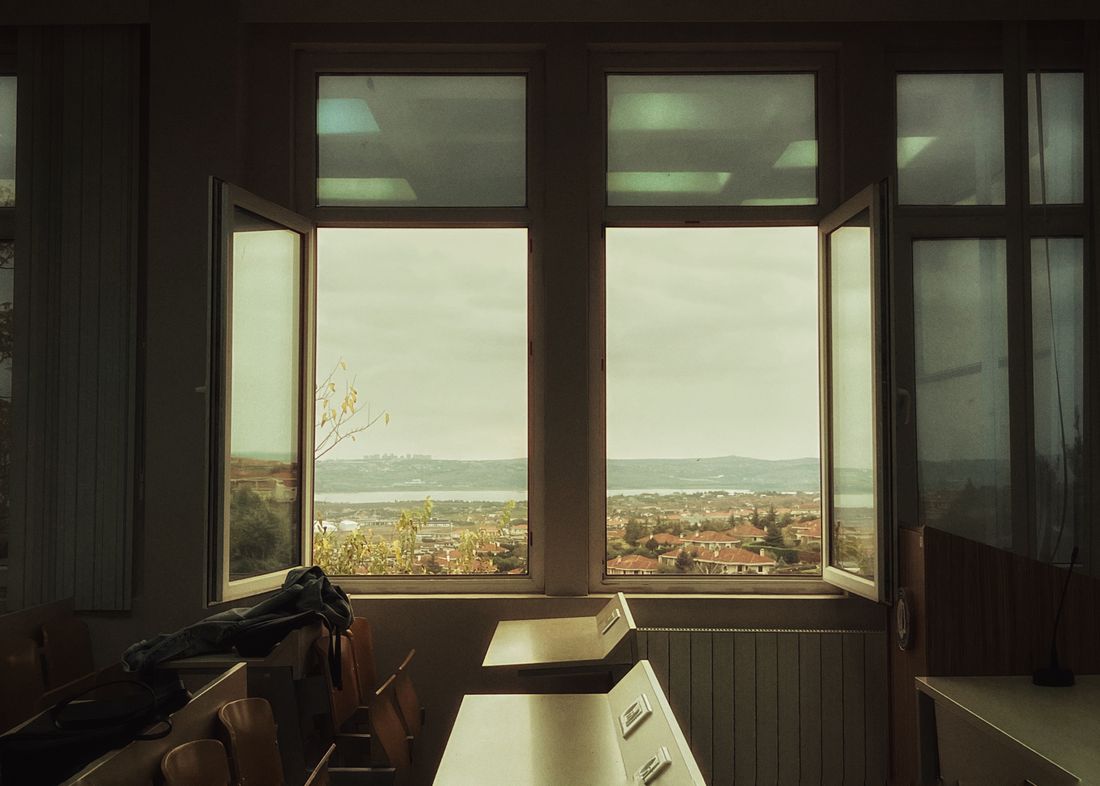
Same sill, same seven plants, same light. The building is shut and the room has drifted up to 31 °C:
| The plant left on that sill | What the warmth is doing | Verdict |
|---|---|---|
| Golden pothos | A little warm, but workable | Worth a try, 62/100 |
| Spider plant | Too hot here | Not the best fit right now, 47/100 |
| ZZ plant | A little warm, but workable | Worth a try, 64/100 |
| Snake plant | A little warm, but workable | Worth a try, 64/100 |
| Peace lily | A little warm, but workable | Worth a try, 57/100 |
| Cast iron plant | Too hot here | Not the best fit right now, 44/100 |
| Parlor palm | Too hot here | Not the best fit right now, 40/100 |
And the same sill again over a winter break, with the heating off and the room down at 12 °C:
| The plant left on that sill | What the warmth is doing | Verdict |
|---|---|---|
| Golden pothos | Too cold here | Not the best fit right now, 40/100 |
| Spider plant | A little cool, but workable | Worth a try, 65/100 |
| ZZ plant | Too cold here | Not the best fit right now, 42/100 |
| Snake plant | Too cold here | Not the best fit right now, 46/100 |
| Peace lily | Too cold here | Not the best fit right now, 32/100 |
| Cast iron plant | A little cool, but workable | Worth a try, 64/100 |
| Parlor palm | Too cold here | Not the best fit right now, 40/100 |
Read those two tables against each other, because the point is in the comparison rather than in either one. The plants that come through the summer are not the plants that come through the winter. The two lists of survivors don’t overlap at all. Worse, the one plant that was a great fit during term is on the losing side of the summer split: the spider plant is cold-hardy enough for the winter break and it is one of the first to go in a shut-up July.
The spider plant is the sharpest example, because it is the name every classroom list leads with. It earns that during term. It is also, in a building that switches the cooling off in July, one of the first plants on the list to go.
What genuinely works
So the recommendation splits, and it splits on a fact about your school rather than about plants:
If summer is the harsh season
 Golden pothos
 ZZ plant
 Snake plant
 Peace lily: droops visibly when thirsty, which is useful in a room nobody is standing in
If winter is the harsh season
 Spider plant
 Cast iron plant
The second column is short, and that is a real finding rather than a gap in the research: cold tolerance and heat tolerance pull in opposite directions, and the pool of houseplants that sit comfortably at 12 °C is genuinely small.
If you don’t know which season is the harsh one in your building, that is the thing to find out before you buy anything. Ask whoever runs the site what happens to the heating and cooling during the long holidays. It is a two-minute question and it decides the whole answer.
What won’t work here (honestly)
- A plant chosen to survive both ends. On the numbers above, nothing in the usual seven manages it. If your building goes hot in summer and cold in winter, the honest plan is a plant that goes home with someone over the long break, not a tougher species.
- A parlor palm as the safe compromise. It is a genuinely nice classroom plant during term and it is the one name here that fails at both ends of the year.
- The back of the room. A classroom has a magnificent window and then five or six metres of room behind it, and the far end is much darker than it looks. That part is not a classroom problem, it is arithmetic that applies to any deep room: we measured six spots across one, and the same cliff shows up on office desks.
- Watering schedules as the fix. Watering is the obvious holiday problem and it is not the one we can score. Our engine reads light, temperature, humidity and airflow, and it does not model a dry pot — so treat the tables above as the ceiling, and assume the real outcome over ten unwatered weeks is somewhat worse.
Score your own room before the term starts
Every score above comes out of the same engine that runs the free spot checker, applied to a described sill rather than a measured one: we hand it a window direction, a distance, a temperature, a humidity and an airflow, and it returns the verdict. The lux figures are estimates derived from that description, not readings taken in anyone’s classroom. Your own room will differ most in what stands outside the window and in how far the holiday temperature actually drifts — the first of those the arithmetic cannot see, and the second is worth measuring once, over one break, with a cheap thermometer left on the sill.
For the light half of it, the free spot checker estimates your room from the window direction and the distance, in your browser, with nothing to install.
Published August 19, 2026 · Last updated August 30, 2026
